Leisure & Entertainment
In an increasingly fast-paced world, the way we spend our free time has become more important than ever. Leisure and entertainment are not merely about filling empty hours—they’re essential components of a balanced, fulfilling life. Whether you’re unwinding after a demanding workweek, nurturing your creative side, or seeking meaningful connections with others, how you engage with your downtime directly impacts your mental health, physical well-being, and overall life satisfaction.
The landscape of leisure has evolved dramatically. Traditional pastimes now coexist with cutting-edge digital experiences, outdoor adventures blend with virtual escapes, and solitary hobbies complement social gatherings. This article explores the multifaceted world of leisure and entertainment, examining the diverse options available, the benefits they offer, and practical insights to help you make informed choices about how to invest your precious free time.
Understanding the Landscape of Modern Leisure
The concept of leisure has transformed significantly over recent decades. What once meant simply “time off work” now encompasses a rich ecosystem of activities designed to rejuvenate, educate, and inspire. Modern leisure falls into several interconnected categories, each serving different psychological and social needs.
Passive entertainment—such as watching films, streaming series, or listening to music—provides immediate relaxation and escapism. These activities require minimal physical effort but offer significant mental benefits, from stress reduction to emotional catharsis. Think of them as the mental equivalent of a warm bath: comforting, restorative, and sometimes exactly what you need after a challenging day.
Active participation, conversely, involves direct engagement: playing sports, creating art, learning instruments, or building model railways. These pursuits demand more energy and focus but deliver deeper satisfaction and skill development. Research consistently shows that people who balance passive consumption with active creation report higher levels of happiness and personal fulfillment.
The key to a well-rounded leisure life lies in understanding your own needs at different moments. Some evenings call for the gentle engagement of a documentary; others demand the focused challenge of a puzzle or the physical release of a dance class. Recognizing this fluidity helps you curate experiences that truly serve your well-being rather than simply consuming time.
Entertainment in the Digital Age
Digital technology has revolutionized how we access and experience entertainment. Streaming platforms have democratized content consumption, offering vast libraries of films, series, documentaries, and music at our fingertips. This abundance presents both opportunities and challenges—while variety has never been greater, the paradox of choice can sometimes lead to decision fatigue rather than enjoyment.
Navigating Streaming and On-Demand Content
The shift from scheduled programming to on-demand viewing has fundamentally altered our relationship with entertainment. You can now binge entire series, curate personalized playlists, and discover niche content that perfectly aligns with your interests. However, effective navigation requires intentionality. Creating watchlists, setting time boundaries, and occasionally scheduling “media-free” evenings can prevent passive scrolling from replacing genuine engagement.
Gaming as Multifaceted Entertainment
Video gaming has matured into a sophisticated entertainment medium that encompasses everything from casual mobile puzzles to immersive narrative experiences and competitive esports. Modern games offer cognitive challenges, artistic storytelling, social connection through multiplayer experiences, and even physical activity through motion-controlled platforms. The gaming community has grown to include people of all ages and backgrounds, challenging outdated stereotypes about who games are “for.”
Social Media and Digital Communities
Social platforms serve dual roles as both entertainment sources and participation channels. They enable you to consume content—from short videos to lengthy discussions—while also creating and sharing your own experiences. The healthiest approach involves mindful consumption: following accounts that inspire or educate you, limiting comparison-driven scrolling, and remembering that digital interaction complements rather than replaces face-to-face connection.
Active Pursuits and Physical Recreation
Physical leisure activities provide benefits that extend far beyond simple exercise. They offer stress relief, social opportunities, skill mastery, and the irreplaceable satisfaction of bodily movement. Whether you’re drawn to structured sports or prefer unstructured outdoor exploration, incorporating physical recreation into your leisure time creates powerful positive ripple effects throughout your life.
Team sports—from recreational football leagues to community volleyball—combine fitness with social bonding and friendly competition. They provide structure, accountability (teammates expect you to show up), and the unique joy of collective achievement. Even if you haven’t played since childhood, adult recreational leagues typically welcome all skill levels and prioritize enjoyment over elite performance.
Individual physical pursuits like running, cycling, swimming, or yoga offer different rewards. They provide flexibility in scheduling, opportunities for solitude and reflection, and the ability to progress at your own pace. Many people find that rhythmic, repetitive activities like distance running or swimming laps create a meditative state—sometimes called “flow”—where stress dissolves and creative insights emerge.
Outdoor recreation deserves special mention. Activities like hiking, kayaking, rock climbing, or simply walking in nature combine physical activity with environmental engagement. Studies consistently demonstrate that time spent in natural settings reduces cortisol levels, improves mood, and enhances cognitive function more effectively than equivalent time spent in urban environments.
Creative and Cultural Engagement
Creative hobbies and cultural experiences feed a fundamental human need for expression, beauty, and meaning. These activities—whether you’re creating art yourself or appreciating others’ work—stimulate different neural pathways than either passive entertainment or physical exercise, contributing uniquely to a well-rounded life.
Hands-On Creative Pursuits
Making things with your hands activates a deeply satisfying connection between mind and matter. Creative hobbies like painting, woodworking, knitting, cooking, gardening, or playing musical instruments offer tangible evidence of your efforts and continuous opportunities for improvement. The learning curve itself provides pleasure—research on skill acquisition shows that the feeling of gradual mastery releases dopamine, creating natural motivation to continue.
You don’t need innate talent to benefit from creative pursuits. The process matters more than the product. A lopsided ceramic bowl you shaped yourself carries more personal meaning than a perfect store-bought alternative. The key is embracing the beginner’s mindset and viewing “mistakes” as essential learning opportunities rather than failures.
Cultural Consumption and Appreciation
Engaging with cultural offerings—visiting museums, attending concerts, watching theater, reading literature, or exploring architectural landmarks—exposes you to new perspectives and ideas. These experiences broaden your understanding of human creativity across time and cultures, fostering empathy and critical thinking.
Cultural engagement need not be expensive or exclusive. Many communities offer free museum days, outdoor concerts, library programs, and public art installations. The goal is regular exposure to ideas and expressions beyond your everyday experience, which gradually expands your frame of reference and enriches your inner life.
Social Connections and Community Activities
Humans are fundamentally social creatures, and leisure activities that involve other people serve crucial psychological functions. Social leisure combats isolation, provides emotional support, creates shared memories, and reinforces our sense of belonging to something larger than ourselves.
Group activities take countless forms: book clubs, volunteer organizations, community sports teams, hobby groups, religious or philosophical communities, and informal gatherings of friends. What matters most is regularity and genuine connection. Meeting the same group of people repeatedly—whether to discuss novels, restore hiking trails, or play board games—creates bonds that deepen over time.
Consider the difference between attending a large concert and playing music with a small group of friends. Both have value, but the latter creates reciprocal relationships and shared accomplishment that isolated or purely consumptive activities cannot match. Even introverts, who may need more solitary time to recharge, benefit from structured social activities that align with their interests.
Volunteering deserves particular attention as a leisure category. Contributing your time and skills to causes you care about provides purpose, perspective, and connection simultaneously. Whether you’re tutoring students, fostering rescue animals, or maintaining community gardens, volunteering transforms leisure time into meaningful contribution while often developing new friendships organically.
Planning and Maximizing Your Free Time
With countless options available, the final challenge lies in making intentional choices rather than defaulting to whatever’s easiest or most immediately accessible. Strategic thinking about your leisure time—what might seem contradictory to the concept of “relaxation”—actually enhances satisfaction and prevents the common modern complaint of feeling simultaneously busy and unfulfilled.
Start by auditing your current leisure patterns. Track how you actually spend free hours for one typical week. You might discover surprising gaps between how you think you spend time and reality. Are you getting the restorative rest you need? Enough social connection? Physical movement? Creative expression? This honest assessment reveals which areas need more attention.
Create a balanced “leisure portfolio” similar to a financial investment strategy. Diversification protects against boredom and ensures you’re meeting multiple needs:
- Restorative activities that relax and recharge you (reading, nature walks, meditation)
- Social activities that connect you with others (game nights, classes, community events)
- Challenge-based activities that develop skills and provide accomplishment (learning languages, sports, musical instruments)
- Creative outlets that allow self-expression (writing, crafting, cooking)
- Physical activities that energize your body (dancing, hiking, swimming)
Finally, remember that quality trumps quantity. Thirty minutes of fully engaged, distraction-free leisure—whether reading a challenging book, having a genuine conversation, or practicing an instrument—provides more benefit than three hours of mindless scrolling. The most valuable free time is time spent consciously, doing things that align with your values and genuinely replenish you.
The world of leisure and entertainment offers unlimited possibilities for enrichment, joy, and growth. By understanding the options available, recognizing your own needs and preferences, and making intentional choices about how you invest your precious free time, you transform leisure from mere time-filling into a vital component of a meaningful, balanced life. The activities you choose today shape not just your evenings and weekends, but ultimately, the person you become.

Are £100+ Immersive Theatre Experiences Actually Worth the Hype?
The staggering value of a £100+ immersive theatre ticket isn’t guaranteed upon purchase; it’s earned through deliberate audience strategy. The ticket is just the starting point; the Total Cost of Experience—including costumes and cocktails—can add another 50% to your bill….
Read more
How to See Top West End Plays for Under £25?
Securing a West End ticket for under £25 isn’t about luck; it’s a game of strategy, timing, and knowing the hidden rhythms of London’s Theatreland. Success lies in combining physical queues (Day Seats), digital dexterity (Rush tickets), and calculated compromises…
Read more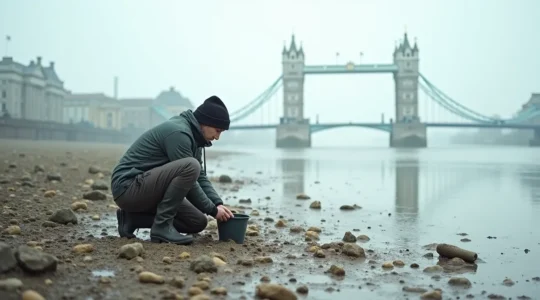
How to Start Mudlarking on the Thames Without Breaking the Law?
In summary: You must have a Port of London Authority (PLA) permit to search the foreshore; digging is strictly limited. Tidal safety is paramount. The Thames can rise over 7 metres, creating dangerous currents and trapping hazards. Identifying finds requires…
Read more
How to Get Tickets for Sold-Out V&A Exhibitions Without Paying Scalpers?
In summary: V&A Membership often pays for itself after three shows and offers exclusive walk-in access to sold-out exhibitions. Friday Late openings provide a weekly, less competitive window for last-minute entry, even when daytime slots are full. A systematic daily…
Read more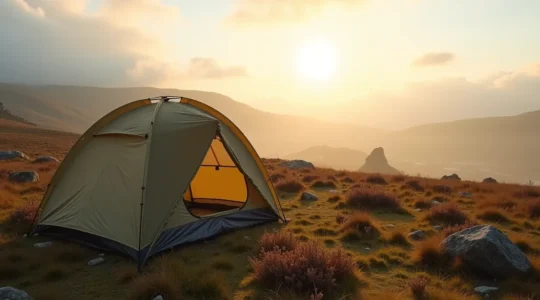
Where Can You Legally Wild Camp in England and Wales?
Wild camping in England and Wales isn’t strictly ‘illegal’—it’s unauthorised. The key lies in shifting from hoping not to be caught to proactively securing legal permission. Aside from designated zones in Dartmoor, all land is privately owned, making landowner consent…
Read more
Board Game Cafes in Manchester: Which Ones Are Best for First Dates?
In summary: Ditch long, competitive games like Monopoly for short, two-player options like Jaipur or Patchwork to avoid pressure. Always book ahead for weekend dates, especially at smaller venues like Goodtime Games which has only seven tables. Do a pre-date…
Read more
How to Skip the 5-Year Allotment Waiting List in the UK
In summary: Bypass individual waiting lists by forming a ‘community group’ to apply for council plots. Identify and approach private landowners, such as developers or churches, with a ‘meanwhile use’ proposal. If you can’t secure a plot, create a ‘neighbour…
Read more