Travel & Discovery
The world stretches before us like an unread book, each destination a chapter waiting to reveal its stories. Travel transcends the simple act of moving from one place to another; it represents a profound opportunity for personal growth, cultural understanding, and the creation of memories that shape who we become. Whether you’re drawn to ancient temples nestled in jungle canopies, bustling markets filled with unfamiliar aromas, or quiet mountain trails where solitude speaks volumes, the journey of discovery begins with curiosity and the willingness to step beyond familiar boundaries.
This comprehensive resource explores the fundamental elements that transform ordinary trips into extraordinary experiences. From selecting destinations that resonate with your personal interests to navigating cultural differences with respect and awareness, we’ll examine the core aspects that every traveler should understand. You’ll discover practical frameworks for planning, insights into creating authentic connections with places and people, and approaches to traveling in ways that honor both the environment and local communities.
Why Travel Changes How We See the World
Travel functions as a powerful catalyst for perspective transformation. When we remove ourselves from daily routines and familiar surroundings, our minds become more receptive to new information and alternative ways of thinking. This mental flexibility doesn’t just enhance vacation enjoyment—it fundamentally reshapes how we approach problems, understand different viewpoints, and appreciate the complexity of human experience.
Consider how a simple meal abroad can become a gateway to understanding an entire culture. The ritual of sharing food in different societies reveals values about family, hospitality, time, and community that no guidebook could fully capture. A traveler who sits with a family in Morocco for a traditional tajine, or joins strangers at a communal table in Vietnam for pho, gains insights that transcend tourism. These moments create what researchers call “cultural competence”—the ability to interact effectively with people from backgrounds different from our own.
The benefits extend beyond cultural awareness. Recent studies indicate that individuals who travel regularly demonstrate enhanced creativity and problem-solving abilities. Exposure to unfamiliar environments forces our brains to create new neural pathways, strengthening cognitive flexibility. This explains why many people report their best ideas emerging not during focused work sessions, but while wandering through foreign streets or sitting quietly in an unfamiliar landscape.
Choosing Destinations That Match Your Travel Personality
Not all destinations suit all travelers, and understanding your own travel preferences represents the crucial first step in planning meaningful journeys. The mismatch between expectation and reality causes more travel dissatisfaction than any other single factor.
Understanding Your Travel Motivations
Begin by honestly assessing what draws you to travel. Some seek adrenaline and physical challenges—scaling peaks, diving into underwater caves, or navigating challenging terrain. Others pursue cultural immersion, preferring slow-paced explorations of local neighborhoods, language practice with residents, and participation in traditional ceremonies. Still others travel primarily for relaxation, seeking beautiful settings where the primary agenda involves rest and rejuvenation.
Your current life circumstances also shape ideal destination choices. A parent traveling with young children has vastly different needs than a solo backpacker or a couple celebrating retirement. Consider these practical factors alongside your interests:
- Physical accessibility and mobility requirements
- Climate preferences and seasonal considerations
- Comfort level with language barriers
- Budget constraints and value expectations
- Available time and tolerance for long journeys
Balancing Popular Attractions With Hidden Gems
The tension between visiting famous landmarks and seeking undiscovered places challenges many travelers. Iconic sites earned their reputation for good reason—the Taj Mahal truly does take your breath away, and the Northern Lights deliver wonder that exceeds expectation. However, over-tourism has transformed some beloved destinations into crowded, commercialized versions of themselves.
The solution involves thoughtful timing and layered itineraries. Visit major attractions during off-peak hours or seasons, then dedicate equal time to lesser-known neighborhoods, regional towns, or emerging destinations. A traveler to Italy might spend two days in Venice, then explore the Friuli region’s wine country where authentic experiences unfold without crowds. This approach satisfies the desire to see celebrated places while creating space for genuine discovery.
Planning Essentials for Stress-Free Adventures
Effective planning creates the foundation for flexibility and spontaneity during your travels. This might seem contradictory, but travelers who establish solid logistical frameworks actually enjoy more freedom to embrace unexpected opportunities.
The Art of Strategic Preparation
Begin planning with the non-negotiable elements: flights or major transportation, accommodation for the first night, and any time-sensitive reservations like permits for protected areas or tickets for special events. These items often require advance booking and form the skeleton around which the rest of your trip takes shape.
Create a flexible daily framework rather than a rigid schedule. Identify 2-3 things you genuinely want to experience each day, leaving several hours unstructured. This approach prevents the exhausting phenomenon of “vacation by checklist” while ensuring you don’t miss priorities. Think of your itinerary as a loose outline rather than a script to be followed verbatim.
Documents, Health, and Safety Considerations
Administrative preparation prevents situations where preventable issues derail your journey. Start with these fundamental steps:
- Verify passport validity extends at least six months beyond your travel dates
- Research visa requirements well in advance, as processing times vary dramatically
- Consult healthcare providers about recommended vaccinations and health precautions
- Arrange travel insurance that covers both medical emergencies and trip disruptions
- Make digital and physical copies of critical documents, stored separately
Health preparation extends beyond vaccinations. If you take prescription medications, carry sufficient supplies plus extra in case of delays. Research the medication’s legal status in your destination, as some common prescriptions face restrictions in certain countries. A simple antibiotic permitted everywhere might require special documentation or be completely prohibited elsewhere.
Cultural Immersion and Respectful Engagement
The difference between a tourist and a traveler often lies in the quality of engagement with local culture. Tourists observe from outside; travelers participate with humility and genuine interest.
Cultural respect begins with basic research before departure. Understanding fundamental aspects of local customs, religious practices, and social norms demonstrates respect and prevents unintentional offense. This doesn’t mean you need encyclopedic knowledge—even learning a few phrases in the local language, understanding appropriate dress codes for religious sites, and knowing basic etiquette around greetings and dining shows goodwill that local people genuinely appreciate.
Think of cultural differences as opportunities for learning rather than obstacles to comfort. When confronted with practices that differ from your own, approach with curiosity before judgment. The way time is perceived, personal space is negotiated, or emotions are expressed varies dramatically across cultures. A schedule-oriented traveler might initially feel frustrated in cultures with more fluid time concepts, but this difference offers valuable lessons about alternative ways of structuring life and priorities.
Meaningful cultural exchange happens in small moments: conversing with a shopkeeper about their craft, accepting an invitation to a local celebration, or asking genuine questions about daily life. These interactions require vulnerability—the willingness to appear foolish, to make mistakes with language, to admit ignorance. Yet they create the memories and connections that travelers cherish long after returning home.
Sustainable and Responsible Travel Practices
The environmental and social impact of tourism represents one of the defining challenges for modern travelers. The places we love to visit face pressures from the very popularity that makes them economically viable destinations.
Making Environmentally Conscious Choices
Sustainable travel doesn’t require sacrificing enjoyment—it involves making thoughtful choices at multiple decision points. Transportation represents the largest environmental impact for most trips, with air travel particularly carbon-intensive. When feasible, consider slower transportation alternatives like trains or buses, which often provide richer experiences of landscapes and local life while reducing emissions.
Accommodation choices matter significantly. Smaller, locally-owned guesthouses and hotels typically have lower environmental footprints than large international chains, plus your money directly benefits local families. Many destinations now offer eco-lodges that demonstrate how comfortable tourism can coexist with environmental protection through renewable energy, water conservation, and waste reduction practices.
Supporting Local Communities Economically
Tourism creates economic opportunity, but benefits don’t automatically flow to local communities. International corporations often capture the majority of tourism revenue, leaving destinations with environmental stress but minimal financial benefit. Conscious travelers can redirect spending toward local stakeholders:
- Choose locally-owned restaurants over international chains
- Purchase handicrafts directly from artisans rather than souvenir shops
- Hire local guides who share deeper knowledge and community connections
- Use local transportation options when safe and practical
- Stay in accommodations owned by community members
This approach creates a more equitable distribution of tourism benefits while typically providing more authentic experiences. The guide who grew up exploring nearby trails offers different insights than someone reading from a standardized script. The family-run restaurant serves recipes passed through generations rather than adapting cuisine to presumed tourist preferences.
Embracing the Unexpected and Growing Through Challenges
Despite thorough planning, travel inevitably includes unexpected developments—missed connections, closed attractions, sudden weather changes, or simple miscommunications. Your response to these moments often determines whether they become frustrating obstacles or opportunities for growth and unexpected discovery.
Flexibility represents the seasoned traveler’s most valuable trait. That missed train connection might lead to an extra day in a town you’d planned to pass through quickly, where you discover a local festival or strike up a conversation that wouldn’t have happened otherwise. The restaurant that’s fully booked forces you to try the unassuming place next door, where you enjoy the best meal of your trip.
Challenges also build resilience and problem-solving confidence that extends beyond travel. Successfully navigating a language barrier, finding your way after getting lost, or adapting plans when situations change reinforces your capability to handle uncertainty. Many travelers report that overcoming travel challenges increased their confidence in addressing difficulties in other life areas.
The key involves maintaining perspective. Very few travel problems qualify as genuine emergencies. Inconveniences, disappointments, and disruptions feel significant in the moment but rarely matter when you reflect on the journey as a whole. Often, the stories you tell most enthusiastically later involve not the perfectly executed plans, but the unexpected detours and how you navigated them.
Travel and discovery represent ongoing practices rather than destinations to be reached. Each journey builds upon previous experiences, expanding your understanding of the world’s diversity and your own capabilities within it. The practical skills of planning and navigating unfamiliar places matter, but the deeper value lies in developing openness to new perspectives, comfort with uncertainty, and appreciation for the vast range of human experience across our shared planet. Whether your next adventure takes you across continents or simply to an unfamiliar neighborhood in your own region, approach it with curiosity, respect, and the willingness to be changed by what you discover.

Which Lesser-Known UK UNESCO Sites Are Worth a Detour?
Thinking UK heritage is just castles and cathedrals? This guide reveals the industrial soul and intellectual power of Britain’s unsung UNESCO sites. We explore not just where to go, but how to connect with the living history that shaped the…
Read more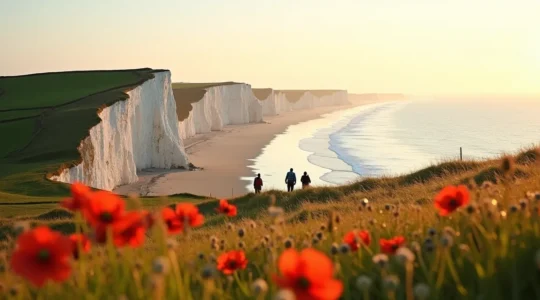
How Can You Explore the Brighton & Lewes Biosphere Without Leaving a Scar?
In summary: Your “biodegradable” waste, like banana peels, can take years to decompose on UK moorland, harming sensitive soils. Protecting wildlife means more than just avoiding animals; it means keeping dogs on leads during nesting season (March-July) and sticking to…
Read more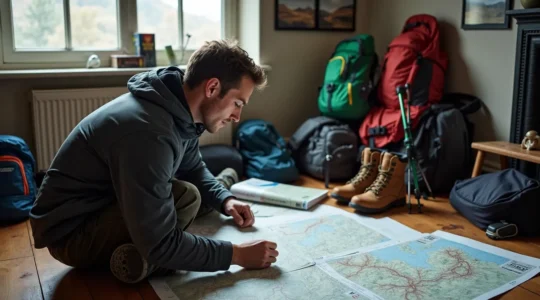
A UK Hill Walker’s Guide: How to Prepare for Your First Alpine Trek
Your experience in the Lake District or Snowdonia is a foundation, not a passport, for the Alps; success hinges on unlearning UK habits and systematically de-risking the new challenges of altitude, terrain, and European logistics. Physical fitness alone does not…
Read more
How to Plan a Genuinely Low-Carbon Holiday from the UK (and See Through the Greenwashing)
The key to a low-carbon holiday isn’t finding a ‘certified eco’ label, but learning to spot the greenwashing behind it. Transport choices are more complex than ‘plane vs. train’; hidden costs and non-CO2 emissions can flip the equation. Your spending…
Read more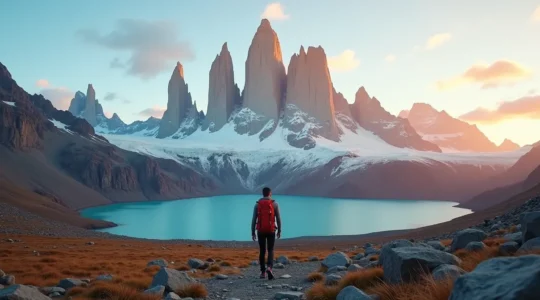
Patagonia Trek Budget from the UK: A Strategic Guide to Your ‘Bucket List’ Trip
Budgeting for Patagonia from the UK feels daunting, but your total cost hinges on a handful of key decisions you make before you even fly. Flight routing via Europe, particularly Madrid, can save hundreds over traditional US connections, avoiding extra…
Read more
How to See the Vatican and Colosseum in a 48-Hour Weekend Trip from Stansted?
The key to a successful 48-hour Rome trip is treating your time as the most valuable asset, not your money. Pre-booking tickets online isn’t just a good idea; it’s the only way to avoid catastrophic delays. A logical, one-way walking…
Read more
From the Tube to Tokyo: The Ultimate Metro Survival Guide for UK Travellers
The secret to mastering complex transport systems like Tokyo’s isn’t learning endless new rules, but applying the ‘system hacking’ mindset of a savvy London commuter. Common assumptions from the Tube (like daily capping) don’t apply to Tokyo’s IC cards, leading…
Read more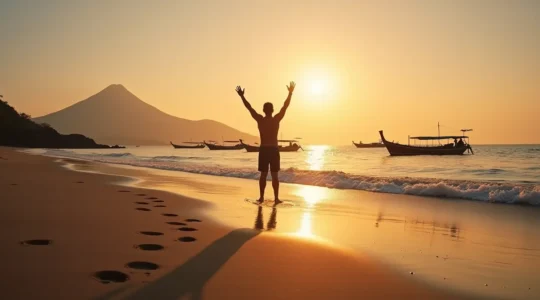
Bali from Heathrow: How to Minimise Jet Lag on the 16-Hour Journey?
The key to conquering jet lag on the London-Bali route is not to passively endure the flight, but to actively manipulate your body’s internal clock starting three days before you even leave for Heathrow. Flying east requires a physiological “phase…
Read more
Beyond 5 Stars: Crafting the Perfect Romantic Spa Weekend in the Lake District
A 5-star hotel rating is no guarantee of an exceptional spa experience; true luxury lies in strategic planning and insider knowledge. The real value is found by looking beyond hotel stars to dedicated spa awards and thermal journey offerings. Securing…
Read more
Cornwall or the Algarve: Which Summer Holiday Actually Costs Less for a Family of Four?
A Cornwall ‘staycation’ is not the budget-friendly alternative to a European holiday; for many British families, it is a financial illusion built on underestimated expenses. The true cost of driving a family car to Cornwall, including wear and tear, often…
Read more